
Teeth Whitening Dentist Boynton Beach Options
July 22, 2026 7:24 amA brighter smile can change how you feel in vacation photos, at a work event, or when you catch your reflection in the car mirror. But if whitening strips have left you with sore teeth, uneven color, or disappointing results, it makes sense to want a more personal answer. A teeth whitening dentist in Boynton Beach can help you choose a method based on your actual smile, not a one-size-fits-all promise.
Professional whitening is not about making every smile look unnaturally white. It is about safely lifting stains when possible, setting realistic expectations, and helping you feel confident that the result still looks like you.
Why Teeth Change Color Over Time
Teeth naturally pick up color over the years. Coffee, tea, red wine, dark berries, tobacco, and richly colored foods can leave surface stains behind. In South Florida, frequent iced coffee or sparkling drinks with dark flavorings may be part of the picture, too.
Some changes happen below the surface. As enamel gradually thins, the naturally warmer dentin underneath becomes more visible. Certain medications, past dental trauma, aging, and developmental conditions can also affect tooth color. That is why two people can use the same whitening product and have very different results.
A dental exam helps distinguish between stains that can respond well to whitening and color changes that may need another cosmetic approach. It also gives your dentist a chance to identify concerns such as cavities, gum inflammation, cracked teeth, or exposed roots before whitening begins. Whitening healthy teeth is very different from whitening teeth that are already irritated or vulnerable.
What a Teeth Whitening Dentist in Boynton Beach Can Offer
Professional teeth whitening starts with listening. You may want a subtle refresh before a wedding, a noticeable improvement after years of coffee, or simply a smile that looks more even. Your timeline, sensitivity history, existing dental work, and desired shade all matter.
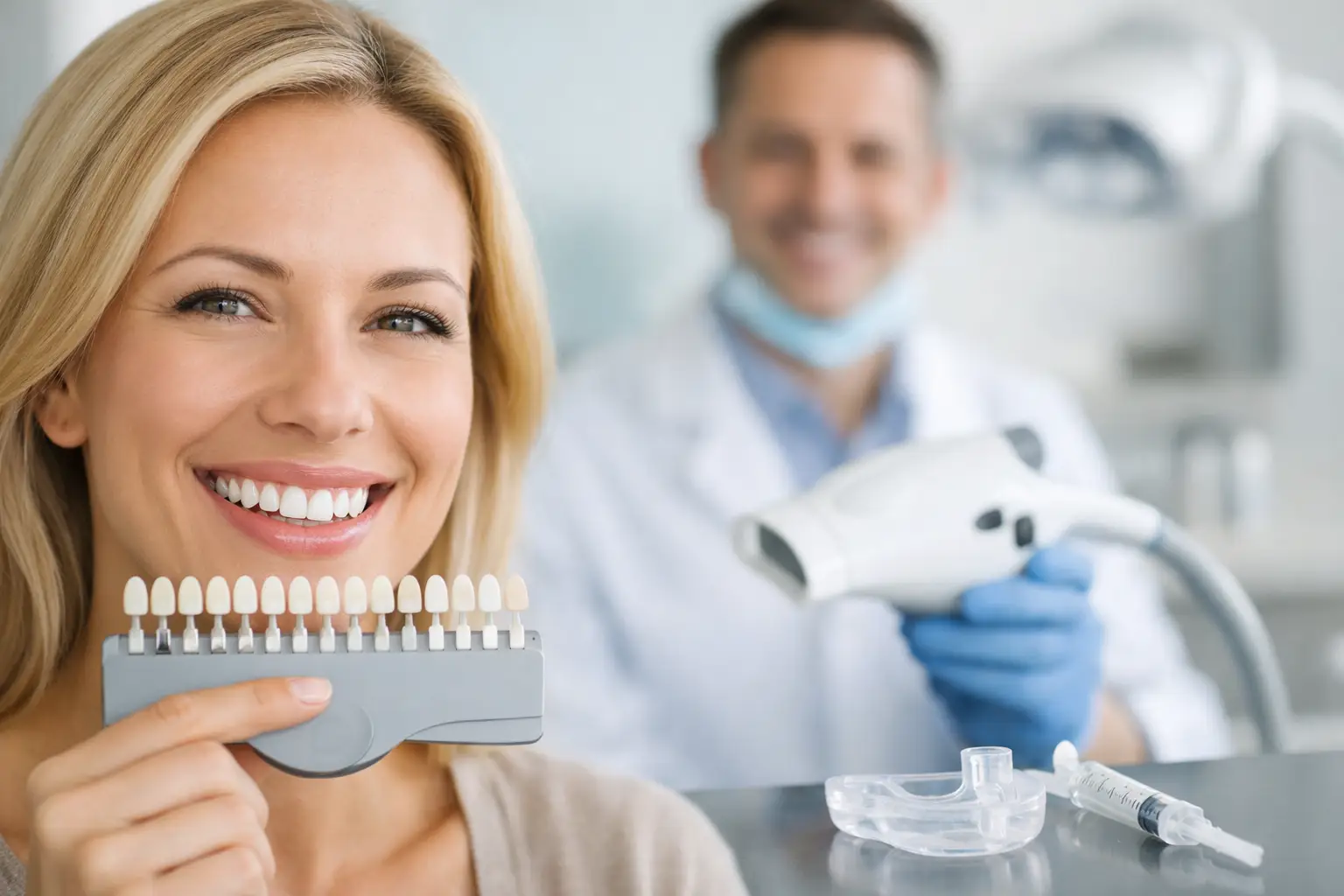
In-office whitening is often a good fit for people who want results in a single appointment. A professional-strength whitening gel is applied carefully while the gums and soft tissues are protected. The exact change in shade varies from person to person, but many patients see a visibly brighter smile right away.
Custom take-home trays offer a different kind of control. They are made to fit your teeth closely, so the whitening gel stays where it belongs and is less likely to irritate the gums. This approach lets you brighten gradually over a prescribed period, which can be especially appealing if you prefer a more subtle change or have a history of sensitivity.
Neither option is automatically better. In-office treatment may suit a busy schedule or a special occasion. Take-home treatment can be easier to pace and maintain. A personal consultation allows you to discuss the trade-offs rather than being pushed toward a package that does not fit your needs.
Whitening Is Not the Right First Step for Every Smile
Whitening gel changes the color of natural tooth enamel. It does not lighten crowns, veneers, fillings, bonding, or dental implants. If you have visible restorations near the front of your smile, whitening may create a mismatch unless there is a plan to replace or update those restorations afterward.
This does not mean whitening is off the table. It means timing matters. Someone planning a new crown or cosmetic bonding may whiten first so the final restoration can be matched to the brighter shade. Someone with older front-tooth bonding may decide that a modest whitening result is preferable to replacing dental work. Honest guidance should include both the benefits and the limits.
Patients with gum disease, untreated decay, significant enamel wear, or active tooth pain should address those concerns first. Whitening is a cosmetic treatment, and comfort and oral health come before appearance. A careful dentist will never make you feel embarrassed for needing foundational care before pursuing a brighter smile.
What About Tooth Sensitivity?
Temporary sensitivity is one of the most common whitening concerns. Some people feel a brief tingling sensation during treatment, while others notice sensitivity to cold foods or drinks for a day or two afterward. It is usually manageable, but it deserves attention rather than dismissal.
Your dentist may recommend shorter wear times, spacing treatments farther apart, or using products designed to support sensitivity relief. Custom trays can be particularly helpful because treatment can be adjusted based on how your teeth respond. If you have experienced sharp pain with over-the-counter products, let your dental team know before starting.
Why Store-Bought Whitening Can Fall Short
Whitening strips, gels, toothpastes, and LED kits can be useful for mild surface staining, especially when used as directed. They are readily available and may cost less upfront. But they are not designed around your tooth shape, gumline, restorations, or sensitivity level.
Whitening toothpaste can help polish away some external stains, but it generally does not change the internal shade of teeth significantly. Strips may not reach every area evenly, especially around crowded or rotated teeth. Generic trays can allow gel to leak onto the gums, which is uncomfortable and can lead people to stop before they see the intended result.
The bigger difference is not simply the strength of the whitening agent. It is professional oversight. A dentist can evaluate why your teeth look darker, protect your gums, recommend a realistic shade goal, and help you avoid wasting money on a solution that will not address the cause of discoloration.
Preparing for Professional Whitening
A recent cleaning is often a helpful place to begin. Removing plaque and surface buildup gives your dentist a clearer view of your natural tooth color and helps whitening gel contact the enamel more evenly. If it has been a while since your last visit, do not let that stop you from asking. Many patients return to dental care after a long gap, and a welcoming office should meet that moment with patience, not judgment.
Before treatment, share any history of sensitivity, jaw discomfort, allergies, pregnancy or nursing status, and recent dental work. Bring up the small details, too. If you have a big event next week, a front crown, or a habit of sipping coffee throughout the day, those details affect the recommendation.
At Schmidt Family Dental, individualized care means taking the time to understand what you want from whitening and what will keep you comfortable throughout the process. A brighter smile should feel exciting, not like another pressure-filled dental decision.
Keeping Your Smile Brighter After Treatment
Whitening is not permanent, but it can be maintained thoughtfully. The longevity of your results depends on your diet, habits, starting shade, and the type of treatment you choose. Many people enjoy their results for months or longer before they want a touch-up.
For the first day or two after whitening, your teeth may be more likely to absorb strong pigments. Choosing lighter-colored foods and drinks during that window can help. Afterward, you do not need to give up coffee or your favorite foods forever. Rinsing with water after a staining drink, using a straw for cold beverages when practical, and keeping up with routine cleanings can make a meaningful difference.
If you use custom trays, your dentist can guide you on safe touch-up timing. More gel is not always better. Overusing whitening products can create unnecessary sensitivity and frustration, especially when the desired shade has already been reached.
Questions Worth Asking at Your Consultation
A good whitening conversation should leave you feeling informed. Ask what type of discoloration you have, what result is realistic for your teeth, and whether any crowns or fillings will stand out afterward. You can also ask how sensitivity is handled, how long results may last, and what maintenance will look like.
Pay attention to how the answers make you feel. Cosmetic dentistry should still feel personal. You deserve clear explanations, time to consider your options, and recommendations that reflect your priorities rather than an upsell.
A healthy, brighter smile does not have to look dramatic to make a difference. If you have been hiding your teeth in photos or wondering whether whitening is right for you, a calm conversation with a local dental team can be a reassuring first step toward smiling more freely.
Categorised in: Uncategorized
