
Cosmetic Dentistry Consultation Boynton Beach
July 21, 2026 7:33 amA cosmetic dentistry consultation in Boynton Beach should feel like a conversation about your smile, not a sales presentation. Whether you have always disliked the color of your teeth, notice a chipped front tooth in photos, or want a more balanced look, the right first visit gives you space to explain what you see and what you hope to change.
At Schmidt Family Dental, cosmetic care begins by getting to know you. Your goals matter, but so do your comfort level, dental health, schedule, and the kind of result that will still feel like you. There is no one “perfect” smile. There is a healthy, natural-looking smile that fits your face and helps you feel more confident sharing it.
What Happens at a Cosmetic Dentistry Consultation in Boynton Beach?
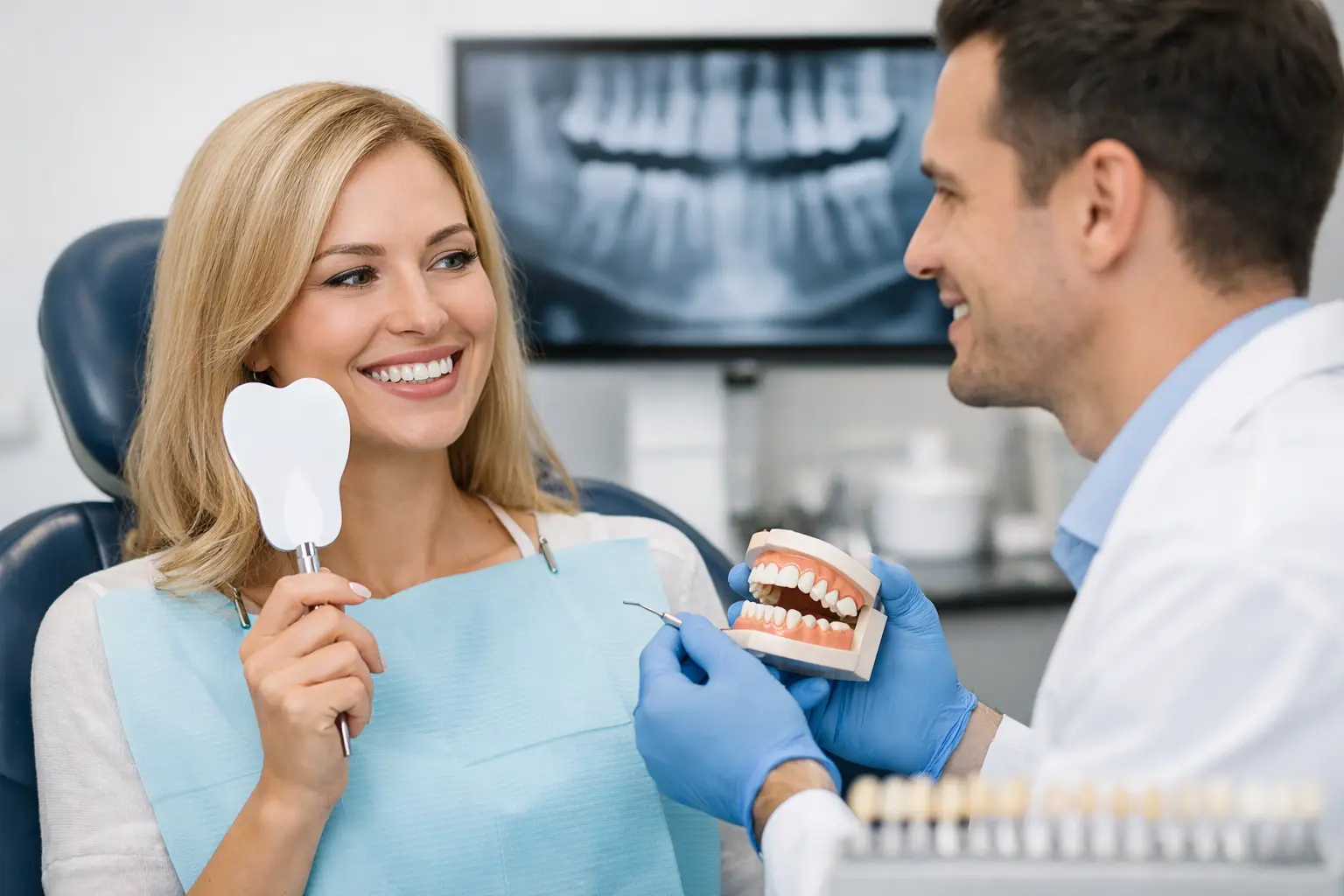
A thoughtful consultation starts with listening. You may be asked what brings you in, what you would change if you could, and whether there are specific photos or situations that make you self-conscious. Some patients want a subtle refresh. Others are preparing for a wedding, a career change, or a milestone event. Both goals are valid, and neither requires a rushed decision.
Your dentist will examine your teeth, gums, bite, and existing dental work. Modern imaging and photographs can help identify details that are easy to miss in a mirror, such as uneven tooth edges, worn enamel, old restorations that no longer match, or gum tissue that affects the proportions of your smile.
This evaluation is not just about appearance. Cosmetic treatments last longer and look better when the foundation is healthy. If you have active decay, gum inflammation, clenching, or a cracked tooth, it may be best to address those concerns first. That is not a detour from your cosmetic goals. It is how your dentist helps protect your investment and your long-term oral health.
You should also leave with clear information about your options, expected timing, cost considerations, and the care each option requires. A good consultation makes room for questions, including questions about whether treatment is necessary at all.
Your Smile Goals Shape the Treatment Plan
Two people can ask for a “better smile” and need entirely different care. One may be a strong candidate for professional whitening, while another may benefit more from bonding or porcelain veneers. The goal is not to recommend the biggest treatment plan. It is to find the approach that makes sense for your concerns and your lifestyle.
Whitening for a Brighter, More Even Color
Professional whitening can be an excellent choice when healthy natural teeth have become darker or more yellow over time. Coffee, tea, red wine, certain medications, and the natural aging process can all affect enamel color.
Whitening is often the most conservative cosmetic option, but it has limits. It will not change the shade of crowns, veneers, fillings, or bonding. If visible dental work no longer matches your teeth, your dentist can explain whether whitening first and replacing restorations later would create the most natural result. Patients with sensitivity may also need a modified approach.
Bonding for Small but Noticeable Changes
Cosmetic bonding uses tooth-colored material to refine a chipped edge, close a small gap, smooth an uneven shape, or improve the appearance of mild discoloration. It can be a conservative option because it often requires little to no removal of natural tooth structure.
Bonding is not always the longest-lasting choice for every situation. It can stain or chip over time, especially for patients who bite their nails, chew ice, or grind their teeth. Still, when used for the right concern and cared for well, it can make a meaningful difference with a relatively simple treatment process.
Veneers for Shape, Color, and Symmetry
Porcelain veneers are thin, custom restorations placed on the front surfaces of teeth. They can address several concerns at once, including discoloration that does not respond well to whitening, worn edges, gaps, uneven shapes, and mild alignment concerns.
Because veneers are highly customized, planning matters. Your dentist will consider tooth color, facial features, lip movement, bite, and how much of your smile shows when you speak. A bright, uniform look may be right for one patient, while another may prefer a softer, more natural variation in color and shape. Veneers also require a commitment to good home care and regular dental visits. For many patients, a nightguard is recommended if grinding or clenching is a concern.
Crowns, Implants, and Restorative Cosmetic Care
Sometimes the most noticeable cosmetic concern is tied to a tooth that is damaged, missing, or structurally weak. In those cases, a crown, dental implant, or other restorative treatment may offer both functional and aesthetic benefits.
For example, a well-designed crown can restore the strength and appearance of a tooth after significant decay or a fracture. A dental implant can replace a missing tooth while helping maintain a complete smile. These treatments take more planning than whitening or bonding, but they can be life-changing when you are ready to eat, speak, and smile without worrying about a visible gap or a failing tooth.
Questions Worth Asking During Your Visit
You do not need to know dental terminology to have a productive consultation. Asking direct questions helps you make a decision you feel comfortable with. You might ask how long a treatment is expected to last, what maintenance it needs, whether it affects your natural tooth structure, and what happens if you wait.
It is also helpful to ask about alternatives. For instance, if veneers are an option, could bonding or whitening meet your goals first? If you are considering bonding, would a nightguard help protect the result? Honest guidance includes explaining the trade-offs, not simply presenting one path.
Budget conversations belong in the consultation, too. Cosmetic treatment is often not covered by dental insurance, and costs can vary depending on the number of teeth treated, the materials used, and whether foundational care is needed first. Clear estimates and financing options, including Cherry financing for qualifying patients, can help you plan without pressure.
How to Prepare for Your Cosmetic Consultation
You do not need to do much before your appointment, but a little preparation can make the conversation easier. Think about the specific changes you notice. Is it the color, the size of a tooth, a gap, old dental work, or the way your teeth look when you smile? If you have photos of smiles you like, they can be useful as a starting point, though your final plan should be tailored to your own features and oral health.
Be honest about habits that affect your teeth. Grinding, clenching, smoking, frequent coffee drinking, and sports participation can all influence which treatment is most practical. Sharing this information is not about judgment. It helps your dental team recommend care that holds up in real life.
If you feel anxious about dental visits or have put off care for a while, say so at the beginning. You deserve a calm appointment, clear explanations, and time to process recommendations. Feeling heard is part of good dentistry, especially when you are making a personal decision about your smile.
A Natural-Looking Smile Is the Goal
The best cosmetic dentistry does not announce itself from across the room. It should look healthy, balanced, and appropriate for you. That may mean preserving a little individuality rather than making every tooth identical. It may mean starting with a single conservative treatment before committing to a larger plan.
A cosmetic consultation is your opportunity to ask, imagine, and learn without being rushed. When you choose a dental team that takes the time to understand your goals, you can move forward with clarity and feel more at home in your own smile.
Categorised in: Uncategorized
