
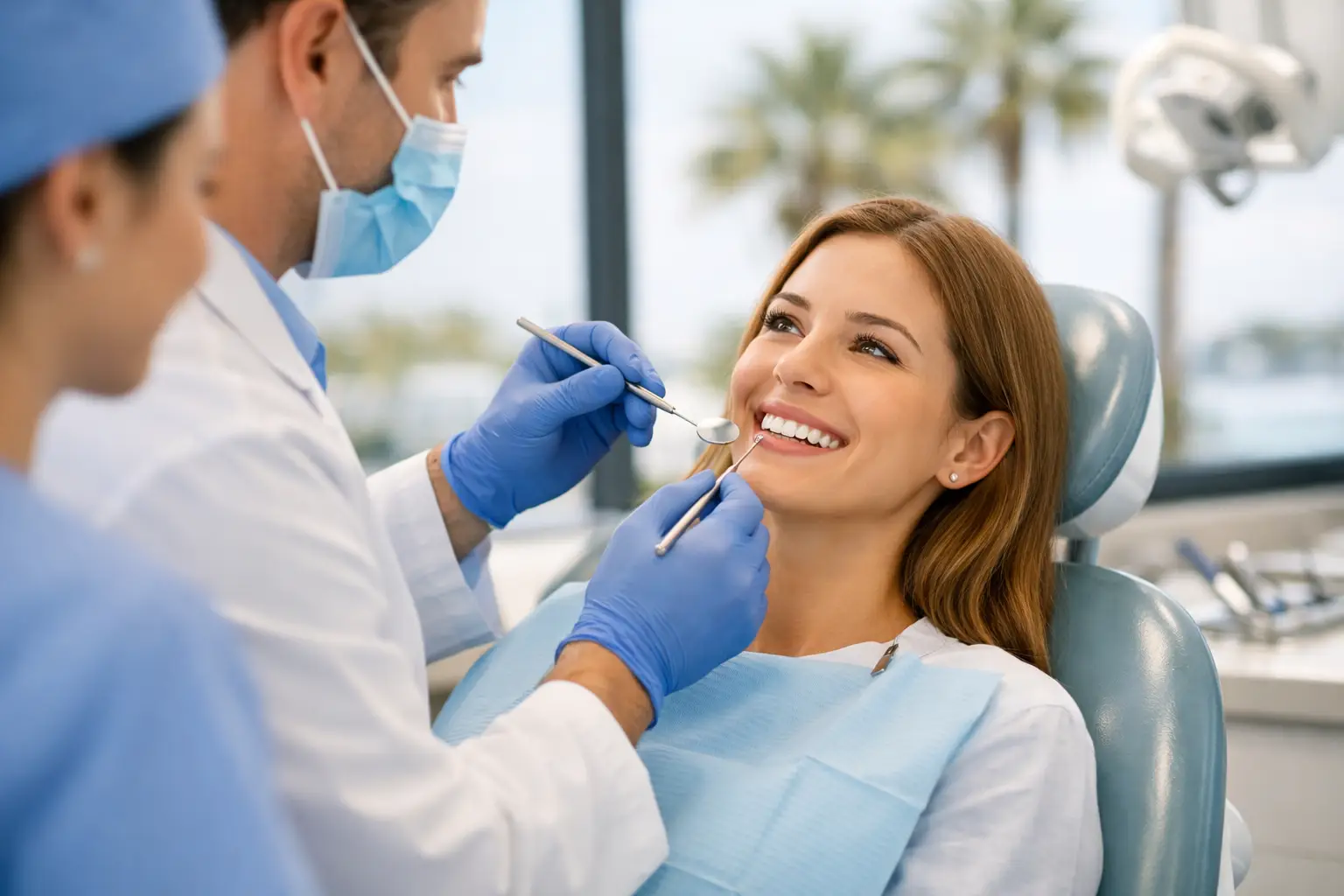
Comprehensive Dental Exam in Boynton Beach
July 18, 2026 7:51 amA tooth that only hurts when you chew. Gums that bleed during brushing. A filling that suddenly feels rough. Sometimes the reason for scheduling a visit is obvious. Other times, you simply know it has been too long and want a clear, honest picture of your oral health. When you need a comprehensive dental exam, Boynton Beach patients deserve more than a quick look and a generic recommendation. They deserve time, answers, and care shaped around their own comfort and goals.
At Schmidt Family Dental, a comprehensive exam is the starting point for a relationship, not a rushed checklist. Whether you are new to the area, bringing in your family, returning after years away from the dentist, or dealing with a concern that cannot wait, the goal is the same: help you understand what is happening and make informed choices about what comes next.
What a Comprehensive Dental Exam Actually Looks At
A comprehensive dental exam gives your dentist a fuller view than a brief problem-focused visit. It considers your teeth, gums, bite, jaw, existing dental work, and the health of the tissues in your mouth. The purpose is to spot active concerns, identify early changes that may become larger problems, and create a practical baseline for future care.
Your visit begins with conversation. Your dental history matters, but so do the details that do not fit neatly on a form. Perhaps dental treatment has made you anxious in the past. Maybe you clench your teeth while working, wake with headaches, or have a wedding, travel plans, or a major life event on the horizon. You may want to improve the appearance of your smile eventually but need to address comfort or function first. These details help guide care that fits your life.
The clinical portion may include an assessment of each tooth for signs of decay, cracks, worn enamel, failing fillings, or sensitivity. Your gums are evaluated for inflammation, recession, and signs of gum disease. Your dentist also checks how your teeth come together, which can reveal clenching, grinding, bite imbalance, or wear that may affect your long-term comfort.
A careful exam also includes an oral cancer screening. This is a simple but meaningful part of preventive care, especially because early changes in the lips, cheeks, tongue, throat, and other oral tissues are often painless. Finding concerns early can make a significant difference.
Why Digital X-Rays May Be Recommended
Some dental conditions develop where even the most careful visual exam cannot see them. Decay can form between teeth, infection can begin around a tooth root, and bone changes related to gum disease may not be visible at the surface. Digital X-rays allow your dentist to evaluate these areas while using a highly targeted approach.
Not every patient needs the same images at every appointment. The right timing depends on your age, health history, risk for decay or gum disease, existing restorations, and what the exam shows. If images are recommended, you should understand why. Clear explanations are part of honest guidance, not an extra step to rush through.
The Difference Between an Exam and a Cleaning
A dental cleaning and a comprehensive exam often happen during the same visit, but they serve different purposes. A cleaning removes plaque and tartar buildup and helps support healthier gums. An exam is the diagnostic evaluation that determines the condition of your teeth, gums, bite, and oral tissues.
For many patients, routine preventive visits include both. If gum disease is present, however, the type of cleaning needed may be different from a standard preventive cleaning. A deeper periodontal cleaning can be recommended when bacteria and tartar have collected below the gumline. That is not a judgment about your brushing habits. Gum disease can be influenced by genetics, medications, health conditions, hormonal changes, and time away from professional care.
Knowing the difference helps you ask better questions. If treatment beyond a routine cleaning is recommended, ask what the findings are, what the recommended care addresses, and what can happen if you delay it. A good dental team will welcome those questions.
A Comprehensive Dental Exam in Boynton Beach Should Feel Personal
No two smiles have the same history. One patient may have old fillings that need monitoring, while another may have a healthy mouth but ongoing jaw soreness from nighttime grinding. A parent may be focused on preventive care for a child, while an adult child may be helping a parent plan for implants or implant-supported dentures.
That is why treatment planning should never feel one-size-fits-all. A comprehensive dental exam creates a chance to discuss priorities in the right order. If you have pain or infection, relief and stability come first. If you have several needs but limited time or budget, your dentist can help organize treatment into manageable phases. If you are interested in cosmetic improvements, the conversation can begin with the health and structure needed to support lasting results.
There are often more than one reasonable path forward. For example, a worn tooth might be monitored, restored with a filling, or protected with a crown depending on the extent of damage, your symptoms, and the tooth’s long-term outlook. The best choice depends on the clinical picture and your goals. You should never feel pressured to make a decision before you understand it.
What to Share at Your First Visit
The more your dental team knows, the more tailored your care can be. Mention pain, sensitivity, bleeding gums, loose teeth, persistent bad breath, jaw clicking, headaches, or difficulty chewing, even if the symptom comes and goes. Bring up sleep concerns too. Snoring, waking unrefreshed, or a diagnosis of sleep apnea may be relevant to conversations about oral appliances.
It is also helpful to share your medical history and current medications. Conditions such as diabetes, acid reflux, dry mouth, osteoporosis, and autoimmune disorders can affect oral health and treatment planning. If you are pregnant, preparing for surgery, or taking a medication that affects bone health or bleeding, your dentist needs that information to coordinate safe care.
Finally, be candid about anxiety. Many people delay appointments because they worry about discomfort, embarrassment, or being lectured about a lapse in care. You are not alone, and you do not need to arrive with a perfect dental history. A calm office, clear explanations, and a pace that respects your comfort can change the experience.
How Often Do You Need a Comprehensive Exam?
For most established patients, regular exams are recommended as part of ongoing preventive care. The exact schedule varies. Someone with healthy teeth and gums may need a different interval than a patient managing gum disease, frequent decay, a complex restoration plan, or a history of oral health concerns.
A full comprehensive exam is especially useful when you are a new patient, have not seen a dentist in a long time, have changed providers, or are facing a new issue. It may also be appropriate before major restorative or cosmetic treatment, since a complete diagnosis helps avoid treating only the visible problem while missing an underlying cause.
Routine visits are not about looking for reasons to recommend treatment. They are about preserving what is healthy, catching small changes early, and giving you the information to make choices before discomfort or expense grows.
Leave With Clarity, Not Confusion
At the end of a thorough exam, you should know what is healthy, what needs attention now, what can be monitored, and why those recommendations were made. If care is needed, you should have room to discuss timing, comfort options, and financial considerations. Dental decisions are easier when you are given facts without pressure.
Your smile is personal, and dental care should be as personal as your smile. If something feels different, if you have put off care, or if you simply want a trusted local team to help you stay ahead of problems, scheduling a comprehensive exam is a thoughtful next step. A little time spent understanding your oral health today can bring more comfort and confidence to the days ahead.
Categorised in: Uncategorized
