
Dental Implant FAQs in Boynton Beach, FL: What to Know Before You Decide
March 31, 2026 9:00 amDental implants don’t usually come up out of nowhere. It’s often part of a bigger conversation—maybe a tooth is breaking down and you’re trying to decide what to do with it, or maybe it’s already gone and you’re starting to notice how that space affects things more than you expected.
Sometimes patients come in already set on implants. Other times, they’re just trying to understand their options and whether this is even something that makes sense for them.
That’s where the questions tend to land. Not so much what is an implant, but what does this actually look like for me? How involved is it? Am I a good candidate? What does upkeep look like once it’s done? At Schmidt Family Dental in Boynton Beach, FL, we spend time working through those details so you’re not piecing it together on your own.
Dental Implant FAQs: What Exactly Is a Dental Implant?
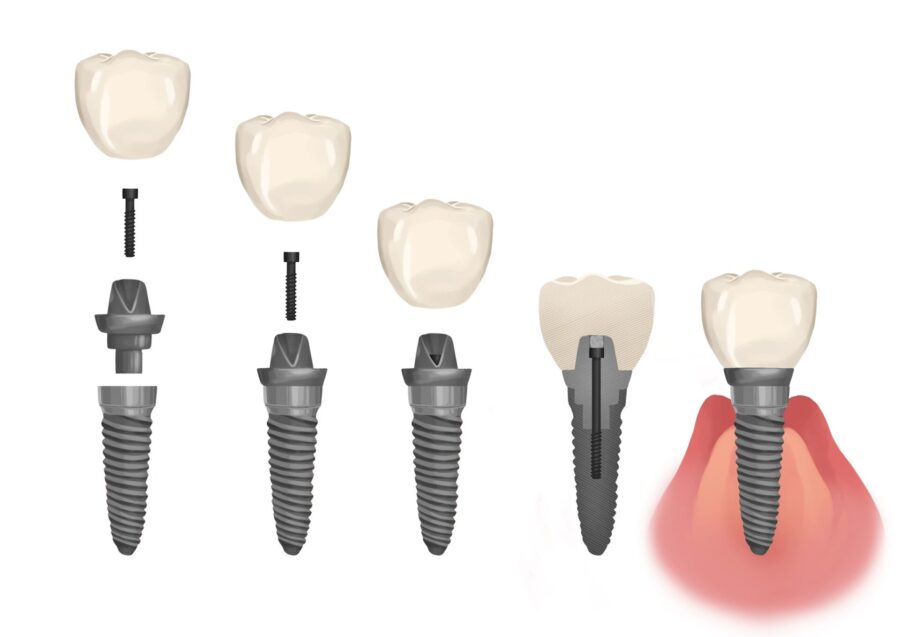
A dental implant is a small post that’s placed in the jawbone to take the place of a missing tooth root. Once it heals, it supports something on top—a crown, a bridge, or even a denture depending on how many teeth are missing.
What makes it different from other options is that it’s anchored in the bone. That connection is what gives it a more stable, grounded feel when you’re eating or speaking.
If you’re looking at ways to replace a missing tooth, this usually comes up during a restorative dentistry consultation, where we look at what’s going to hold up best over time—not just what works in the moment.
Who Is a Good Candidate for Dental Implants?
This is usually one of the first things people want to know, and the answer isn’t all-or-nothing.
In general, we’re looking for:
- Healthy gum tissue
- Enough bone to support the implant
- A routine that keeps things clean and stable
Smoking is also part of this conversation. It doesn’t automatically rule implants out, but it can affect healing and how well the implant integrates with the bone. That’s something we talk through honestly so you know what to expect.
If a tooth has been missing for a while, the bone in that area may have thinned out. That doesn’t necessarily take implants off the table—it just means we may need to rebuild that support first with a graft.
During a comprehensive dental exam, we take a closer look and talk through what’s realistic. In a lot of cases, it’s less about if and more about what steps are needed to get there.
How Many Appointments Does It Take?
Most implants are done over a few visits, spread out over a few months.
There’s the initial planning visit, the placement of the implant, time for healing, and then the final crown. Sometimes there are a couple of extra steps in between, depending on where things are starting.
The spacing between appointments isn’t arbitrary. A lot of the process happens between visits while the implant integrates with the bone, and that part can’t really be rushed.
Does Getting a Dental Implant Hurt?
This is one of the most common concerns going in. The placement itself is done with local anesthesia, and most patients say it feels similar to other dental procedures they’ve had. Afterward, there’s usually some soreness for a few days, but it tends to be manageable and improves quickly.
We’ll go over what to expect during your implant consultation, including how to keep things comfortable as you heal.
How Long Do Dental Implants Last?
Implants are meant to be a long-term solution. The implant itself can last for many years, especially if the surrounding bone and gums stay healthy. The crown on top may need to be replaced at some point due to normal wear, but the foundation is designed to hold up.
Like most things in dentistry, longevity comes down to consistency—both at home and during routine visits.
Can Dental Implants Get Gum Disease?
The implant itself doesn’t decay, but the tissue around it still needs attention. If plaque builds up around the implant, the gums can become inflamed. Over time, that can affect the bone supporting the implant if it isn’t addressed.
This is why daily brushing and flossing—and staying consistent with cleanings and exams—still matter just as much after an implant is placed.
Do You Always Need a Bone Graft?
Not always, but it comes up fairly often. If the bone in that area has changed—especially if the tooth has been missing for a while—we may recommend a graft to rebuild that foundation.
Sometimes that’s done at the same time as an extraction, when we’re planning ahead. Other times, it’s a separate step before placing the implant. It depends less on a rule and more on what we see when we evaluate the area.
Can Implants Replace More Than One Tooth?
Yes, and this is where implants are more flexible than people expect.
They can be used for:
- A single missing tooth
- Multiple teeth with an implant-supported bridge
- Full or partial dentures that attach to implants for added stability
The approach depends on how many teeth are missing and what kind of support will work best long term.
What Is the Healing Time Like?
Healing usually takes a few months, and most of that time is fairly uneventful. The implant is gradually integrating with the bone during that phase. You’re not coming in constantly, but we may check in depending on how things are progressing.
Once that connection is solid, we move forward with the final restoration.
How Do You Take Care of a Dental Implant?
Day to day, it’s pretty similar to caring for your natural teeth. Brushing, flossing, keeping the gums healthy, and staying consistent with routine dental visits all play a role. We’ll also keep an eye on it during your visits to make sure everything continues to look and feel the way it should.
Dental Implants in Boynton Beach, FL at Schmidt Family Dental
At Schmidt Family Dental in Boynton Beach, FL, Dr. Brandon Schmidt works with patients to make the implant process feel clear and manageable. Whether you’re planning ahead or just starting to look into your options, the focus is on helping you understand what’s involved and what makes sense for you.
If you’re considering dental implants or want to talk through your options, you can call the office or schedule a visit to get started.
Contact UsImage from Authority Dental under CC 2.0
Categorised in: Dental Implants