
Early Signs of a Cavity: What to Look For
December 19, 2025 9:00 amCavities (dental caries) are one of the most common dental issues, but they don’t always cause pain right away. At Schmidt Family Dental in Boynton Beach, FL, Dr. Brandon Schmidt sees many patients who are surprised to learn they had early decay before it became painful. That’s why recognizing the early signs of a cavity matters — the sooner it’s caught, the simpler the treatment and the better the outcome for your smile.
Here’s what you should know about the early warning signs of a cavity and when to call your dental team.
What is a Cavity?
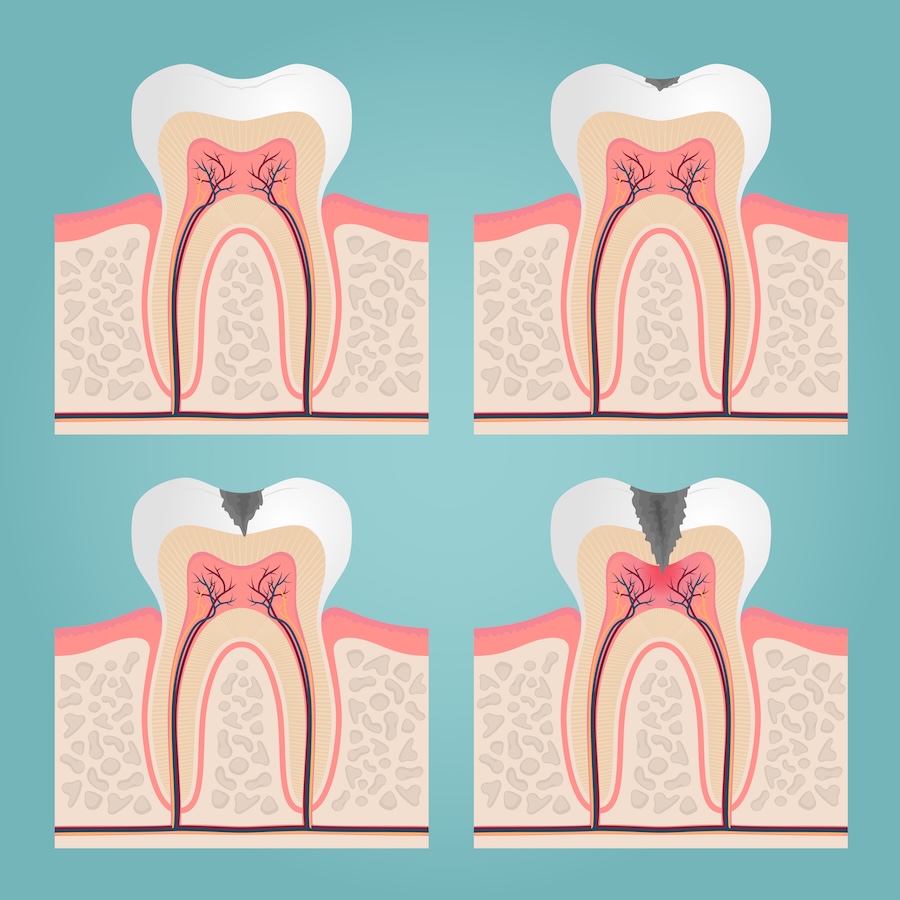
A cavity is a permanently damaged spot in the hard surface of a tooth that develops into a tiny hole. Cavities are caused by plaque — a sticky film of bacteria that forms on teeth after eating and drinking. These bacteria produce acids that erode enamel and, over time, create decay.
When caught early, cavities can often be treated with a filling or other conservative measures. But early detection starts with awareness of subtle changes before pain sets in.
Early Warning Signs to Watch For
Cavities don’t always cause dramatic symptoms at first. Often, the earliest signs are subtle — but noticeable if you pay attention.
1. White Spots on the Tooth Surface
One of the very first indicators of enamel demineralization (the stage before a full cavity forms) can be chalky white spots on the surface of the tooth. These patches appear where enamel has begun to weaken. They’re often easiest to spot near the gumline or in the grooves of back teeth.
If you notice a new white spot that wasn’t there before, it’s worth bringing it up at your next visit — early intervention can sometimes slow or even stop decay in its tracks.
2. Increased Sensitivity to Sweet, Hot, or Cold Foods
A little sensitivity doesn’t always mean a cavity, but if you find that a particular tooth reacts more strongly than others — especially with sweet or cold foods — it can be a sign that enamel is thinning and the decay is getting closer to the inner, more sensitive layers of the tooth.
This sensitivity may come and go at first, but pay attention if it starts happening more consistently.
3. Tooth Discoloration or Staining
Cavities can begin as small areas of discoloration before they become noticeable holes. These spots may appear brown or black, and they often show up in pits and grooves of chewing surfaces or between teeth. If discoloration looks new or persists despite brushing, it’s worth having it checked.
4. Rough or Jagged Tooth Edges
Sometimes a cavity starts as a tiny rough spot — a small area where enamel has softened or worn away. You might notice this with your tongue before you feel any pain. If you feel a sudden rough patch on a tooth, it’s a good idea to schedule an exam.
5. Mild Pain When Biting or Chewing
This symptom tends to appear a bit later, but it can still be an early sign if you catch it quickly. If chewing on one side makes you wince or you feel discomfort when biting down, it could signal decay that has reached deeper layers of the tooth.
Unlike a sharp, lingering toothache (which often means a more advanced cavity), early bite sensitivity may be brief and mild — but it shouldn’t be ignored.
Why Early Detection Matters
Treating a cavity early usually means a simpler, smaller filling and less removal of healthy tooth structure. When decay progresses without being addressed, it can spread deeper into the dentin (the softer layer beneath enamel) or reach the nerve. Once that happens, treatment becomes more complex — and sometimes more costly — involving larger restorations, root canal therapy, or crowns.
Regular dental checkups with Dr. Brandon Schmidt help us spot decay before symptoms become severe. Professional cleanings also remove plaque and tartar buildup, which reduce the risk of cavities in the first place.
What to Do If You Notice These Signs
If you notice any of the early warning signs above, don’t wait for pain to develop. Call Schmidt Family Dental to schedule an evaluation sooner rather than later. During your visit, we’ll:
- Take X‑rays if needed to see hidden decay
- Examine the affected area closely
- Discuss any symptoms you’re experiencing
- Recommend the most appropriate treatment
Catching cavities in the earliest stages often means quick, straightforward care and helps preserve your natural tooth for years to come.
Keep Your Smile Healthy in Boynton Beach
Your smile is one of your greatest assets — and protecting it doesn’t have to wait until something hurts. Understanding the early signs of a cavity can empower you to take action before a small problem becomes a big one.
If you’ve noticed sensitivity, rough spots, discoloration, or anything else that feels unusual, Dr. Brandon Schmidt and the team at Schmidt Family Dental are here to help. Call our Boynton Beach office today to schedule an exam — early detection leads to better outcomes and a healthier, happier smile.
Contact UsCategorised in: Dental Tips, Preventive Dentistry, Restorative Dentistry
