
Dental Implants vs. Dentures: What’s Right for You?
January 21, 2026 9:00 amWhen you’re facing tooth loss, one of the first questions is often, “What’s the best way to replace them?” Two of the most common options are dental implants and dentures. Both can restore function and appearance, but they work in very different ways and fit different needs.
At Schmidt Family Dental in Boynton Beach, FL, Dr. Brandon Schmidt helps patients understand the real differences so they can make an informed choice that fits their mouth, lifestyle, and goals.
Let’s walk through what implants and dentures are, how they compare, and what factors matter when you’re weighing your options.
What Dental Implants Are
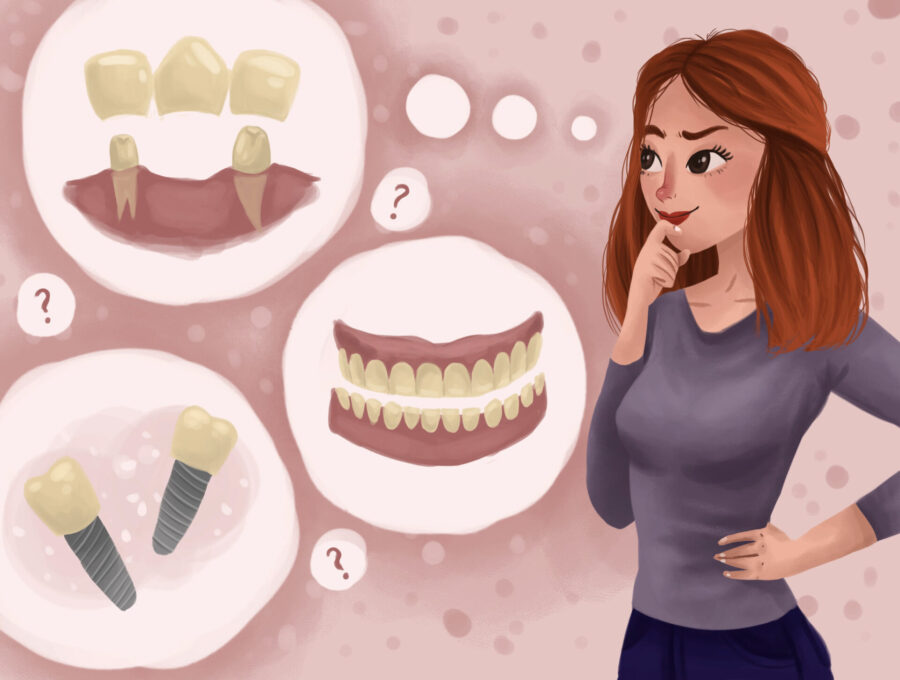
Dental implants are small titanium posts that are placed into the jawbone to act like natural tooth roots. Once the implant integrates with the bone, a crown (or bridge, or denture) is attached on top.
That makes implants a stable, long‑lasting foundation for replacement teeth that feel and function much like natural teeth.
This approach works well whether you’re replacing a single tooth or a full arch of teeth.
What Dentures Are
Dentures are removable appliances that sit over your gums. They can replace:
A few missing teeth (partial dentures)
All teeth in an arch (full dentures)
Traditional dentures rely on a combination of fit, suction, and sometimes adhesive to stay in place. They don’t anchor into bone the way implants do.
Dentures have been a reliable solution for many decades, and improvements in fit and materials have made them more comfortable than ever.
How They Feel and Function Day‑to‑Day
Dental Implants
Because implants fuse with bone and support a crown or denture from underneath, they feel secure when eating, speaking, and smiling. Many patients forget they’re even there after a short adjustment period.
Dentures
Dentures can feel comfortable and natural, but they may shift slightly during eating or speaking, especially early on. Some people adapt quickly, while others take a bit more time to feel confident with them.
How well dentures stay in place often depends on how much bone and gum support is present — which can vary from person to person.
Bone Health and Long‑Term Support
Dental Implants
When implants are placed, they help stimulate the jawbone much like natural tooth roots do. That stimulation encourages the bone to stay strong and stable over time, which helps maintain facial structure.
Dentures
Because dentures sit on top of the gums and don’t integrate with bone, they don’t provide that same stimulation. Over years, it’s common for the bone beneath a denture to slowly shrink or change shape, which may affect fit and comfort.
Durability and Lifespan
Dental Implants
With good care — regular brushing, flossing, and professional checkups — implants can last many years, often decades. The crown or denture attached to the implant may need replacement over time, but the implant itself tends to be very long‑lasting.
Dentures
Dentures are designed to wear over time; the materials can break down or lose shape. Many people need adjustments, relines, or replacement every few years to maintain a good fit and function.
Neither option is “one and done” forever, but implants generally provide longer‑term stability.
Maintenance and Everyday Care
Dental Implants
Caring for implants is a lot like caring for natural teeth: brush twice a day, floss daily, and keep up with regular dental visits. Because implants don’t decay, the focus is on gum health and keeping the supporting tissues healthy.
Dentures
Dentures need daily cleaning outside the mouth with a denture brush and solution, and nights out of the mouth in a soaking solution. You also need routine check‑ins to make sure they still fit well.
Both require attention, just in different ways.
Cost and Investment
Implants usually involve higher up‑front costs than traditional dentures. That’s because they require surgery and custom components. But when you look at the long‑term picture — fewer replacements, bone preservation, and everyday stability — many patients see implants as a worthwhile investment.
Dentures typically come with a lower initial cost and can be a good choice when budgets are tighter or when surgical treatment isn’t an option.
At Schmidt Family Dental, we can review costs, insurance coverage, and payment options so you understand what you’d be responsible for before moving forward.
Who Might Choose One Option Over the Other?
Implants may be a better fit if you:
Want something that feels more like your natural teeth
Want long‑term bone support
Are in good general health and able to have minor oral surgery
Desire minimal movement while eating or speaking
Dentures may be a better fit if you:
Prefer a non‑surgical option
Need to replace many or all teeth at once
Have medical or bone concerns that make implants less ideal
Are prioritizing a lower initial cost
There’s no single “right” answer for everyone — the best option matches your needs and what matters most to you.
Dental Implants vs. Dentures at Schmidt Family Dental
If you’re weighing dental implants against dentures, call Schmidt Family Dental in Boynton Beach, FL. Dr. Brandon Schmidt will walk you through your smile, explain what’s going on, and talk through which option fits your needs and lifestyle.
We’ll help you understand what each choice involves — and what you can expect as you move forward — so you feel confident about the direction you choose.
Schedule a consultation today and let’s talk about the best way to restore your smile.
Contact UsImage from Authority Dental under CC 2.0
Categorised in: Dental Implants, Dentures
